
Seems like everyone’s talking about solar power these days. But what’s the real scoop on it? Turns out, solar technology is impressive and maybe just the change the world needs. Imagine converting sunlight, that giant ball of fire in the sky, into sheep-loads of energy we can use right at home or in businesses. Pretty rad, right?
The magic happens with photovoltaic cells in solar panels. These cells grab bits of sunlight and transform them into electricity. It’s like photosynthesis but for humans! Right there, just showcasing how we can turn something constant and natural into a powerhouse for our everyday gadgets and essential tools.
Now, why’s this really catching steam across the globe? For starters, solar-powered devices are all about sustainability. They help reduce our carbon footprint, no doubt. Less pollution means a better planet for us and the critters we share it with. Dropping fossil fuels and scooping up that sweet sun means we’re putting less of a strain on Mother Earth.
Solar power isn’t just a nerdy fad; it’s kicking off in a bunch of ways. We’re talking solar farms in wide-open fields powering cities, to solar gadgets on wrists and rooftops helping us live smarter. Cities, rural areas, and even remote corners can shine bright with this tech.
The integration across different sectors? Oh man, solar tech fits in everywhere like a universal puzzle piece. Think agriculture, transport, construction; all making headway using the sun’s rays.
So, buckle up! Knowing how solar-powered devices flip the tech world on its head opens up loads of potential for communities, industries, and curious minds.
Stick around, because the rest of this will get into the nitty-gritty details of what kinds of solar-powered devices there are, where they’ll take us, and even what challenges are lurking.
Types of Solar-Powered Devices: Innovations and Applications
Solar tech is a big deal these days, hitting different levels from those epic industrial setups to cool personal gadgets. It’s not just about solar panels on roofs anymore; we’re talking a wide variety of devices transforming daily life. Dive into the fascinating mix, and see how the sun’s juice powers up our world.
Think about those massive solar farms just soaking up rays to power entire cities. That’s industrial use at its finest. Then, you’ve got these neat home systems with panels and batteries storing energy for nights and cloudy days. They’re like the lovable introverts of the solar world, sitting there quietly making sure you’ve got juice any time.
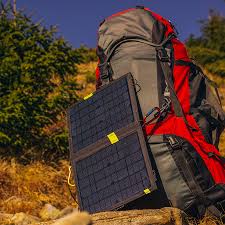
Now, slide over to the personal tech scene. Wearable solar tech is stepping up, too, charging devices on the go. Remember those days of frantic searches for power outlets? Wearable tech’s got your back now, charging up watches, mobile devices, and even backpacks packed with solar chargers. Convenience level: Expert.
Homes aren’t being left out either. Smart homes are gleefully diving into solar setups, with technology integrating seamlessly into existing systems. We’re seeing clever innovations that sync solar panels with all the gadgets you love, ensuring they stay powered up without the guilt of fossil fuel usage.
Vehicles couldn’t resist the solar charm, either. From hybrid cars extending their range to fully solar-powered options trying to steal the spotlight, transport’s taking greener strides. This tech offers a glimpse into a world where charging stations are as common as gas pumps, but cleaner by miles.
Each step in this solar evolution screams potential. It’s not just for scientists or tech geeks but practically everyone looking for cleaner, smarter, more efficient lives.
Understanding the Benefits: Why Choose Solar-Powered Devices?
Going solar does more than just make your home look ultra-modern. It’s got some serious perks that pack a punch, especially when you’re thinking about your wallet and the planet.
First off, the eco-friendly factor is off the charts. Solar-powered devices chop down greenhouse gas emissions, letting Mother Nature breathe a little easier. Every kilowatt-hour of solar energy kicks pollution to the curb, making our air and oceans cleaner—giving polar bears a fighting chance.
There’s a sweet spot for your bank account too. Energy bills start dropping because you’re cooking up some of your own power. Homeowners and businesses can recoup part of their investment through savings and even peek at bonuses like tax credits and subsidies from governments eager to go green.
What about reliability? The sun isn’t clocking out anytime soon, so solar devices offer steady, uninterrupted power supply. No more sweating over the next fuel price hike. Plus, units like solar panels or generators work wonders in areas where traditional power lines don’t venture—awesome news for the adventurous souls keen on off-grid living.
Talk about energy independence. Using solar means less bowing to electric grid pressures. For places prone to blackouts, solar is the unsung hero. Fewer interruptions mean more productive work sessions, chilled groceries, and maintained creature comforts without nasty surprises.
Going solar isn’t just a savvy move; it’s a statement. It says you’re all for tech that’s smarter and kinder to the world. A win-win for everyone.
Explore these perks and you’ll notice how solar-powered devices redefine convenience, reliability, and efficiency, highlighting the advantages of weaving this technology into daily life.
Navigating the Challenges: Limitations and Future Outlook
Solar power might seem like the hero of our time, but it’s not without its set of hurdles. For starters, efficiency can be a tough nut to crack. Current solar panels only capture a fraction of the sun’s rays, which means tech developers have their work cut out in boosting performance.
Space is another sticking point. Not everyone has ample room to set up enough panels to meet energy needs, especially in crowded urban areas. Even when the space exists, the initial cost of setting up solar systems can leave potential users hesitant despite long-term savings.
Market trends, however, suggest a turning tide. Tech is zooming ahead, likely bringing more efficient solutions at reduced costs, which could change the landscape and make solar more accessible. Think thinner, more powerful solar panels or roof tiles seamlessly integrating with homes—it’s right around the corner.
Governments and industries play a massive role in pushing these innovations forward. Increased investment in research and development coupled with supportive policies could help propel solar tech into the mainstream. Legislation supporting renewable energy adoption is as vital as the innovation itself.
Public awareness and education are key too. Shedding light on the actual workings of solar tech promotes wider acceptance. As people understand the real benefits and tweak their perceptions, the adoption rate is bound to soar.
Challenges remain but with each limitation comes an opportunity for creative solutions. Future prospects for solar-powered devices look bright, pairing human innovation with natural resources to pave the way forward. So, keeping an eye on what’s next could get exciting.